
In today’s world, where it is extremely challenging for any business to be unique in the kind of services they are offering, localization is a golden door to attract the audience and convince them of your business’ credibility. In fact, the importance of localization is quite well-known among businesses of every kind, which is why the localization industry ranks fourth on the list of fastest-growing industries in the US, according to ulatus.com! However, despite the process of localization being as celebrated as it is today, it is not practiced by many without making an error here or there, especially if a business is trying its hands at localization for the first time! Well, the good news is that these errors made during localization are avoidable, and trust us, they should be avoided at all costs if your business is trying to gain the trust of an audience from a new locale! So, let us now start with the main discussion without any further delay!
I need more intel on localization first!
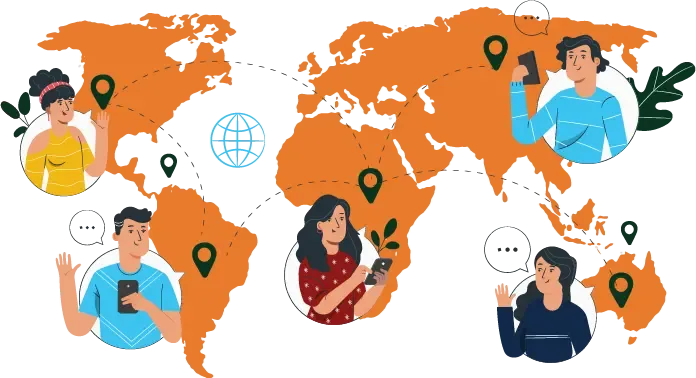
Localization is the process of customization of a product or service for the audience of a target market in such a way that they feel like the service is personalized for them, in terms of cultural, lingual, and other relevant nuances. In the process of localization, translation is one of the most crucial factors, and this is where most of the mistakes occur, as organizations end up overlooking the thin line that sets translation and localization apart. There are many other similar and subtle aspects to localization, that when forgotten, result in small mistakes that could impact businesses heavily, which brings us to our next point!
7 localization mistakes to avoid no matter what!

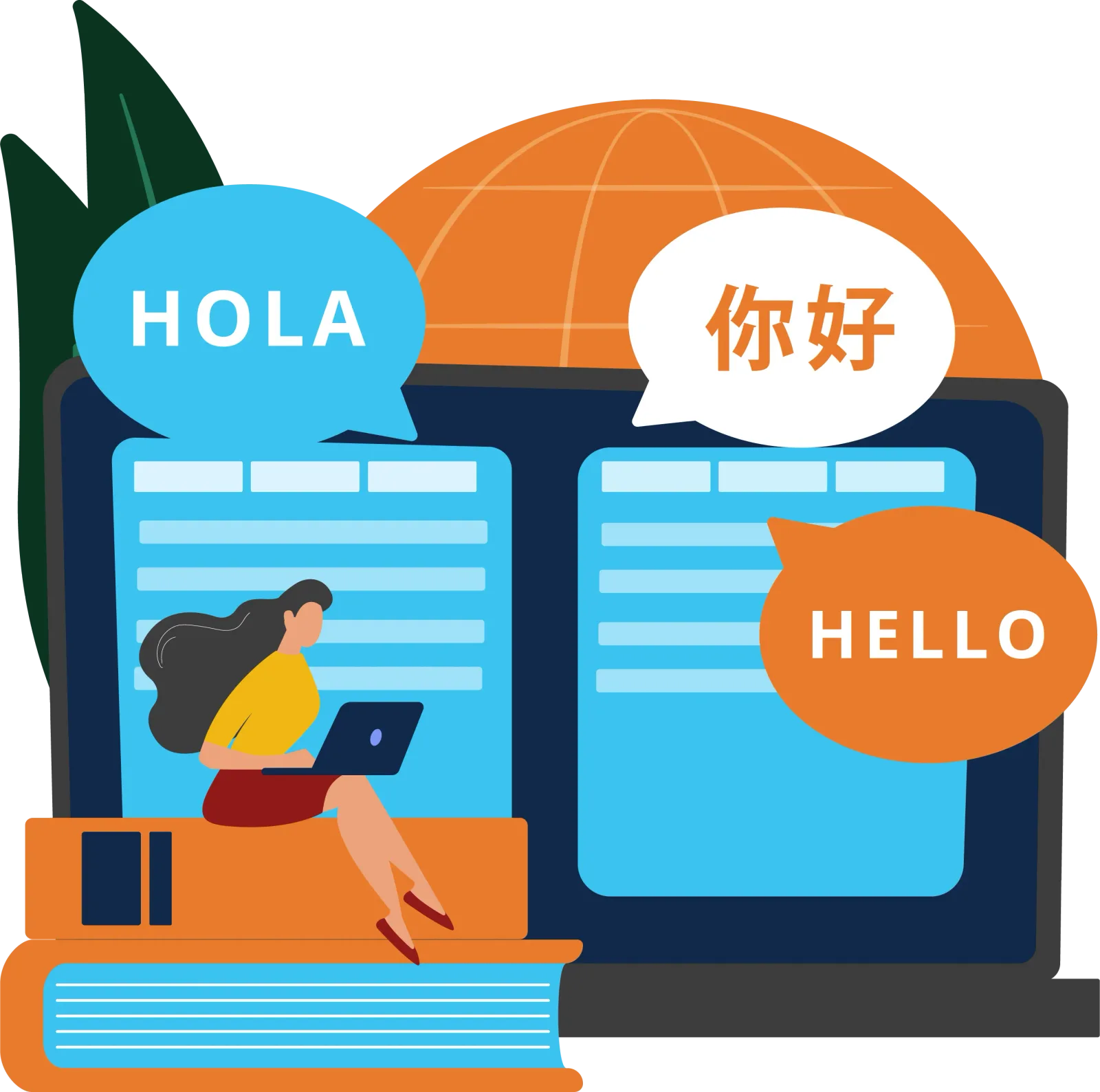
- Entirely depending on machine translation Machine translation these days is becoming more and more dependable, with impressive artificial intelligence and elaborate algorithms backing the translation software, apps, and likeness. But, translation as a process and the process of translation used in localization are not the same. The former is a whole niche, which, in a broad perspective, stands for the contextual conversion of a source language into the target language, and is used differently in many processes such as voice-over, dubbing, interpretation, and localization. For each of these previously mentioned services, translation is used differently. Now, for generic translation, machines can do a satisfactory job, but for localized translation, depending on machine translation is not advisable. This is because machines are still not efficient enough to deliver a personal touch to the content. For instance, a machine cannot be trusted to take culture, casual speech, puns, idioms, and non-standard speech into consideration and these aspects are the foundation of localization. This very reason, demands the process of localization to be done by an industry-specific, human translator who has a native level of proficiency in the source and the target language, just like the translators at EZ!
- Generating content prone to misinterpretation Word-by-word translation is not a trick that can work during localization. The verbatim translation of words can result in losses of context, which are sometimes fatal. A very famous instance of verbatim translation leading to a mass misinterpretation by the audience happened with Pepsi too! While localizing its campaign called “come alive with the Pepsi generation” in the Chinese market, Pepsi forgot to localize the title of the campaign, which led to a lot of people thinking that Pepsi will help them bring their relatives back from the dead! There are many such examples of word-to-word translation causing fiascos, so it is best to preserve the context of the text while localizing it, to save yourself from becoming one of these examples yourself!
- Not remembering to translate the names of places People are used to thinking that the official name of their country is used by people all across the globe, which is a common misconception and one of the most common mistakes made during localization. The name of a country changes with the shuffle of languages, but it is also important to remember that it does not always hold true. Let us make this point clearer with the help of an example! So, the country name “Italy” in French is “Italie”, in Hebrew is “Italia”, and is “Yìdàli” in Chinese, while the country name “Canada”, is Canada in every language! A significant section of a country can be offended if your content is not using the country name that they have always used, and have been using. Simple transliteration of names of places can also lead to dents in professional reputation, so thorough research is also mandatory!
- Overlooking product or service titles We mentioned at the beginning that localizing means personalizing a product or service for the audience in such a manner that they feel like it is made just for them. No one ever minds feeling special, right? This definition should apply to everything a business is offering to their audience during the process of localization and the most overlooked aspect here is the product titles. If a company localizes everything, except the name of the product that they are offering, then they will be back to square one in convincing the audience of how their product resonates with them. For example, a very famous company called Starbucks did not consider localizing the product title of one of their widely liked lattes in Italy which confused the locals about what the funny-named hot beverage could contain!
- Forgetting to localize the payment methods The payment method most widely used in your country or region might not be famous or even available in other countries. And where it is available, chances are that people there find other payment methods more convenient than the one you usually use. This reason calls for thorough research on which payment methods are the most suitable for the target audience. A lot of people, when they are about to avail a service that you are offering, or purchase your product, refrain from doing so when they realize that their preferred payment method is not available. Such close calls can be avoided if all the payment methods are localized!
- Not giving importance to diversity Every person can be a potential customer of your brand if your product can make them resonate with it. It is very common for a customer to imagine themselves with your product or availing your service, to figure out where and how much it fits in their life, and your brand can fail at making customers feel so if inclusion and diversity are not taken into consideration. Inclusion and diversity are reflected in the use of language, the amount of accessibility, and the usage of visuals. All the images used, representations by demographics, local norms, cultural nuances, and the visuals in videos should be carefully checked to avoid offending people by using cultural taboos. It is recommended to also steer clear of giving political opinions and using religious symbols while localizing, as these are extremely sensitive topics.
- The weekday and weekend confusion The Saturday-Sunday weekend is quite famous all over the world but surprisingly it isn’t the standard weekend all over the world. This factor does not even cross a lot of minds during localization, as a lot of us are used to thinking that Sunday means fun day! However, in a few countries like the Middle East, Friday-Saturday is considered a weekend instead, and not fact-checking this factor before localizing your product or service for these countries may make your audience feel like you are inconsiderate of their fun days!
Lessons learned and takeaway
Some of the biggest companies like Pepsi, Starbucks, and Apple have made errors during localization, as this is a detail-oriented procedure with hundreds of things to keep in mind at the same time! Who do you think can work better to provide a company with mistake-free localization results then: an amateur translator with second-hand knowledge of the target language or an experienced translator with a native level of language proficiency in addition to adequate knowledge of the relevant industries, just like the ones at EZ? The answer seems EZ, does it not?
Let us tell you that the latter also comes with a promise of delivering a Consistently High Quality in all the deliverables, which you need without fail during localization, but we also provide it in each service from our Suite Of Business Support Services . However, high quality for us does not mean delay, as our Round The Clock Available experts have immense respect for timelines! If you have any further questions or confusion regarding localization, feel free to contact us at your leisure, and we will be glad to assist you!