

Here’s a quick task for you! Translate the Hindi term ‘maa’ in English. Next, translate the Urdu suffix ‘boo’ into Hindi. Finally, translate the Hindi term ‘chacha’ into English. Did you succeed? If yes, then you must be practicing! But if your answer is not so optimistic, then you are the reason why this blog has been written in the first place. If you weren’t able to guess till now, there’s one thing in common in all three questions. Wait wait, don’t press the back button already! Here’s the answer: all three questions have a contextual correlational term for translation. ‘Maa’ or ‘Mother’ is a universal term for every living organism, but the other two terms have a specific cultural context attached to them. Till the time you don’t have the near-native language skills of that particular language, you won’t be able to produce a compelling and effective translated piece. The fact is true as much as it is harsh. But that mustn’t stop you from pursuing your dream of becoming the best translator.
What are ‘Target Language’ and ‘Source Language’?
To reap a golden tree, you ought to sow the golden seeds. Hence, familiarizing yourself with the advanced terminology of the translation world will only serve you well. Here’s a list of the advanced translation terms used by professionals:
- Source Language: It is the language from which you will translate the text into another language, that is why it is known as the source language. Experts say that the source language must be the second language or language of your choice, which is not your native language. So that you can translate in your native language and not out of it. Since you are the most comfortable working with your native language, the translated work into your native language will provide you with an edge.
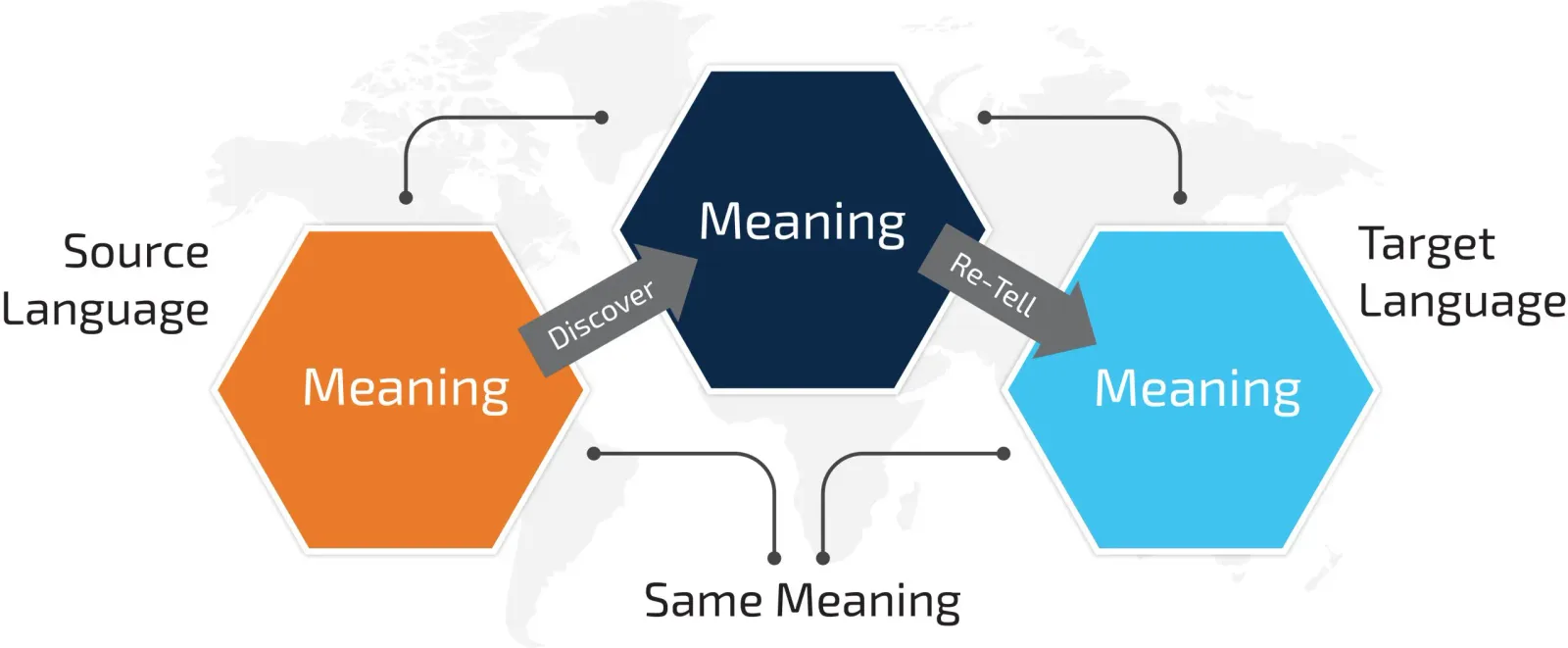
- Target Language: As the name suggests, it is the language into which you want the piece to be translated. As discussed earlier, if your target language is your native language, it will be a bit easier to deal with.
- A B and C Languages: A language is the one that is most comfortable for the translator. Working in and out of the language isn’t a big task for them. For example, translating an Irish Folklore into English (UK) for a native English speaker. B language is the language that comes next in line with the A language. The translator is fluent enough to work with the language. C language is the language that is the least comfortable for the translators. They only choose to translate from that language, thereby making it a source language, and never translate onto language, i.e., target language.
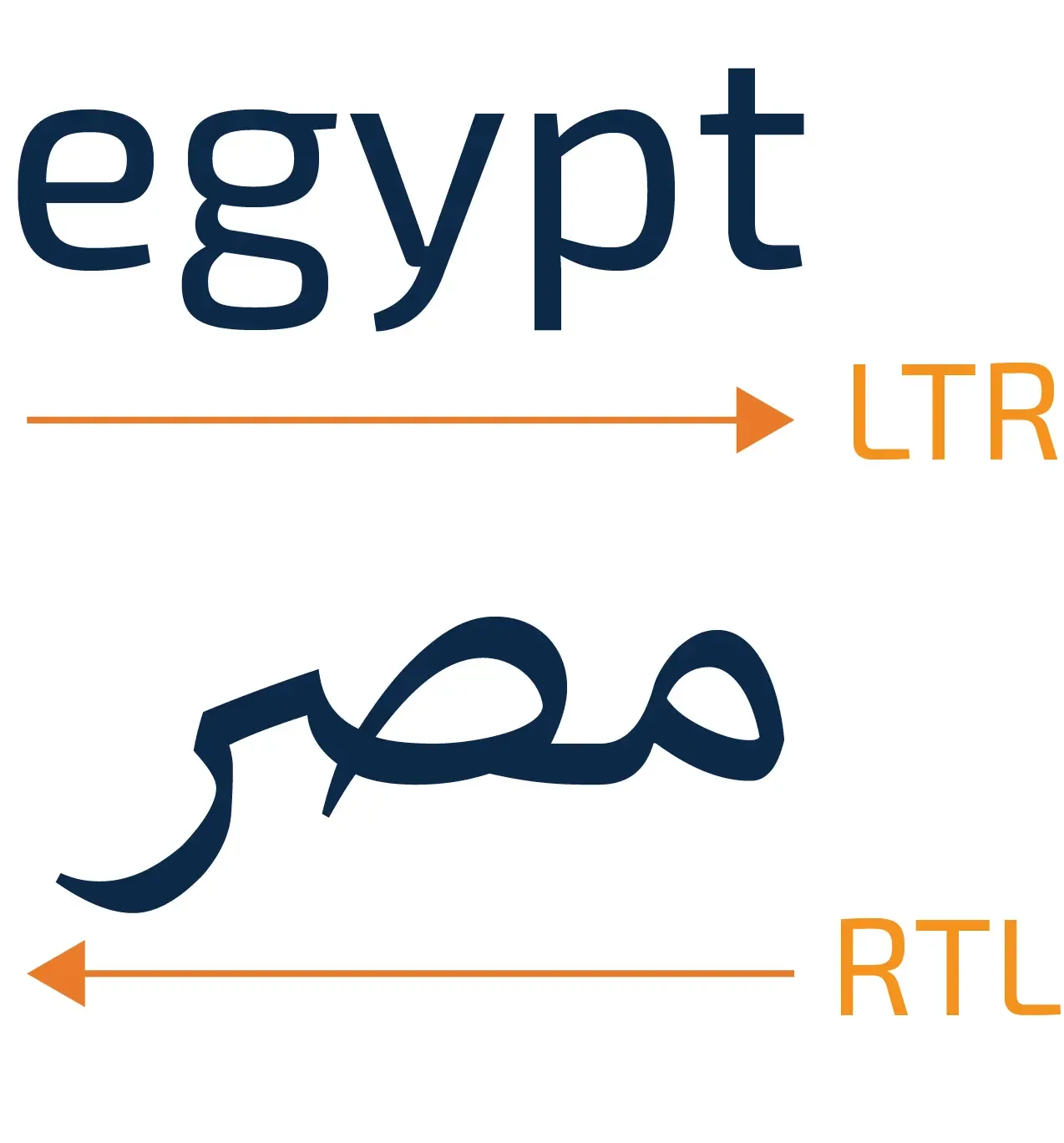
- Bidirectional Writing Systems: If we talk about English, then the direction of writing is from left to right. But for many languages like Arabic and Hebrew, the writing pattern is from right to left. A translator translating from in and out of these two disparate languages must keep this factor in mind because it makes a huge impact on the cultural connotations and practises of the languages.
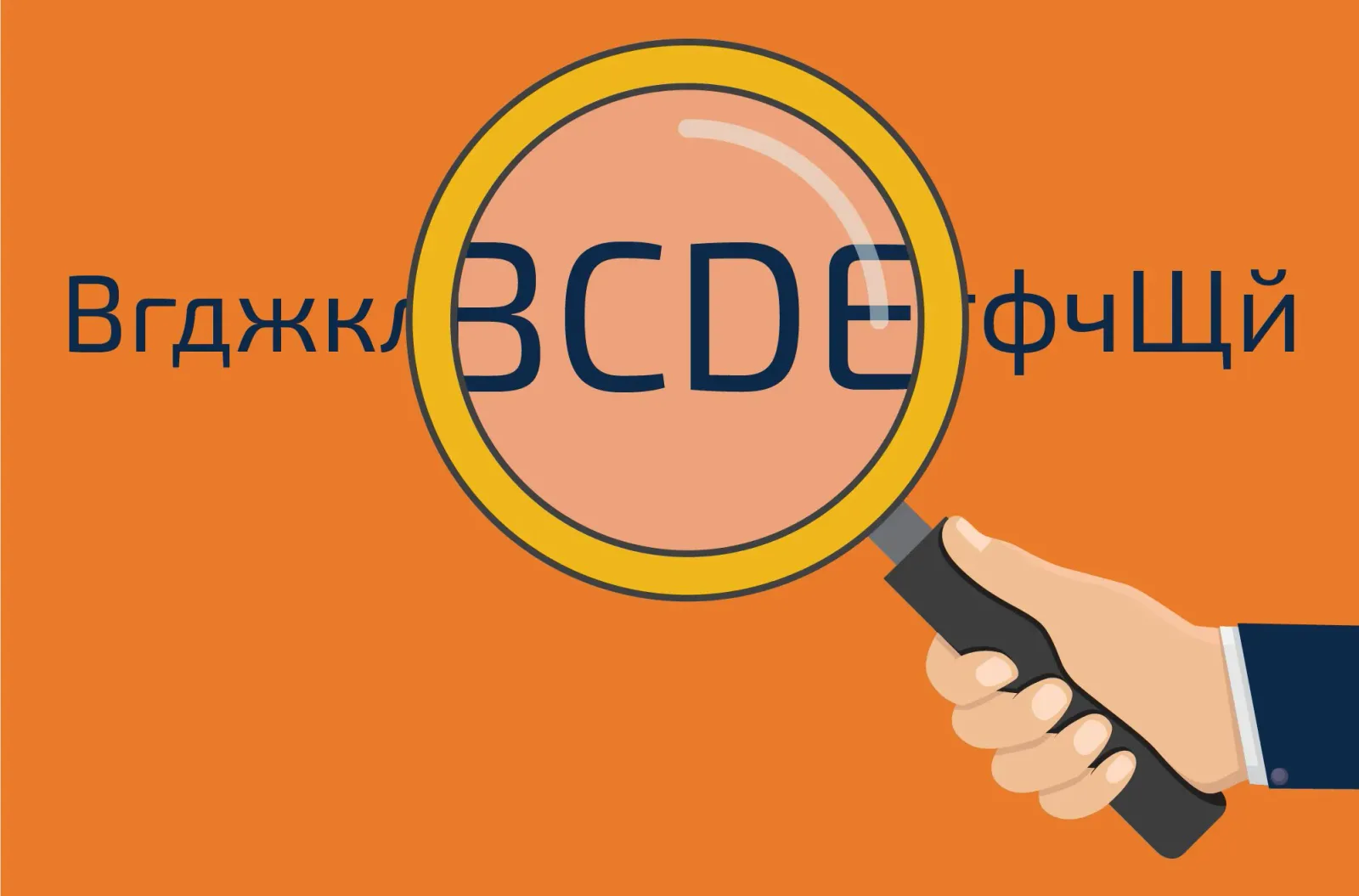
- Transliteration: Though the term sounds like translation, it is the least favourite thing to do in the translation world. Transliteration means writing the word meaning from the source language into the target language. Or the process of converting one writing system into another, without paying attention to the nuances, cultural contexts and sensitive issues. If somebody says that you have transliterated a particular text, you know exactly what that person meant!
Come to the Point Already!
That’s exactly what you’re thinking, right? So here we are sharing a few tips to swear by if you want to improve your translation skills so that you can translate and not transliterate:

- Read, Listen and Translate: A great translator is also an avid reader, calm listener and a flawless writer. If you want to produce translation masterpieces then you need to familiarize yourself with the jargon commonly in use. This can be achieved by:
- Reading more and enhancing the vocabulary.
- Reading in and around different domains like business, medicines, law, finance, management, social sciences etc. will help in realizing the contextual nuances of the source language.
- Listen to news, podcasts on varied subjects which will enrich your thought processes and finally, combine all these ingredients to produce a flawless piece of translation.
- Culturization: The term culturization means to preserve the cultural context of the source language in the target language as well. For example, the first translation of the play Merchant of Venice by Shakespeare into Hindi ‘Durlabha Bandhu’ by Bharatendu Harishchandrra . The very obvious racial connotation of the jews in the play was culturalised as caste discrimination prevalent in those times in India. If the translator had let the concept of jews remain as it is, it wouldn’t have resonated with the target language audience. These small but potential nuances can make all the difference. In order to enhance the skills of culturization, you must:
- Research about the prevalent cultural practises of the target language.
- Familiarize yourself with idiomatic expressions of the target language.
- If it’s possible, then get in touch with a native speaker of the target language.
- Acquaint yourself with tools like EZ Flip which are designed to convert presentation slides from generic languages to specific bidirectional writing systems like Arabic. This will make your work easier so that you have more time to concentrate on sharpening your skills.

- Organizing Your Notes Goes A Long Way: Build a glossary of all the key terms in a certain field in your language and in the target language. By organizing your notes, you won’t have to run helter-skelter every time you have the project of translating into a particular target language you’ve already worked with.
- Opt for a Training Course: This might not sound like a tip that comes in handy, but enrolling yourself in a translation course is always an added advantage. Not every bilingual is a translator. To become a good translator, you will definitely require training and if you want to excel then rigorous training. Choose the course very wisely, starting from a certificate/diploma to a master’s degree, all sorts of levels are available. It all depends upon your vigour to produce a work in translation and not transliteration!
- Practise Makes A Translator Perfect: Do this exercise every day for at least 10 minutes: Pick up a paragraph from a daily newspaper and translate the same into your own native language. This sounds really dry of a task to perform, but it’s a mandatory exercise that would enhance your translation skills drastically.
- Practise Makes A Translator Perfect: Do this exercise every day for at least 10 minutes: Pick up a paragraph from a daily newspaper and translate the same into your own native language. This sounds really dry of a task to perform, but it’s a mandatory exercise that would enhance your translation skills drastically.
- It’s Always the Reader: When you are translating, always keep the reader in mind. Each piece of work has a target audience already set by the writer. Keeping that target set of audience in mind will definitely give you better results.
- No Judge Better Than the Self-Judge: Once you are done translating, read the translated piece aloud to yourself whether anybody likes it not! There is no judge to rate your translation before it is rolled on the floor for the reader. Hence, you will have to be critical about your own work. Reading the text aloud helps in realising the minor mistakes and also the flow of the text can be determined. This is a very important factor for producing ace translation work.
We Know, We Understand!
We are not discouraging you to put all that effort into achieving your goal, but sometimes you want quick and professional results. Furthermore, we at EZ understand that becoming a professional translator requires time, effort and perseverance. Hence, we provide our clients with language translation services that are Faster than the Fastest! Our experts are globally placed with ample experience in this field. With round the clock availability and consistently high-quality outcomes, our team strives to deliver nothing but the best. If you want to get your piece translated into all the major business languages or want to apply for internships, then do get in touch with our experts!