
The privacy and protection of personal possessions have always been cardinal to people and organizations alike. For this very reason, we as a community, require things such as filing cabinets and safety deposit boxes, to prevent any kind of information breach or theft. However, with more and more of our data getting digitized every passing second, and a rapid increase in the exchange of information online, Data Protection has levelled up to be even more vital. With data privacy being such a dire need of the hour, data privacy regulation is necessary, and General Data Protection Regulation (GDPR), is the most important data privacy regulation issued in the past 20 years! But, this concise introduction is just the tip of the iceberg, so let us dive into the details of GDPR, together!
All-inclusive explanation of GDPR
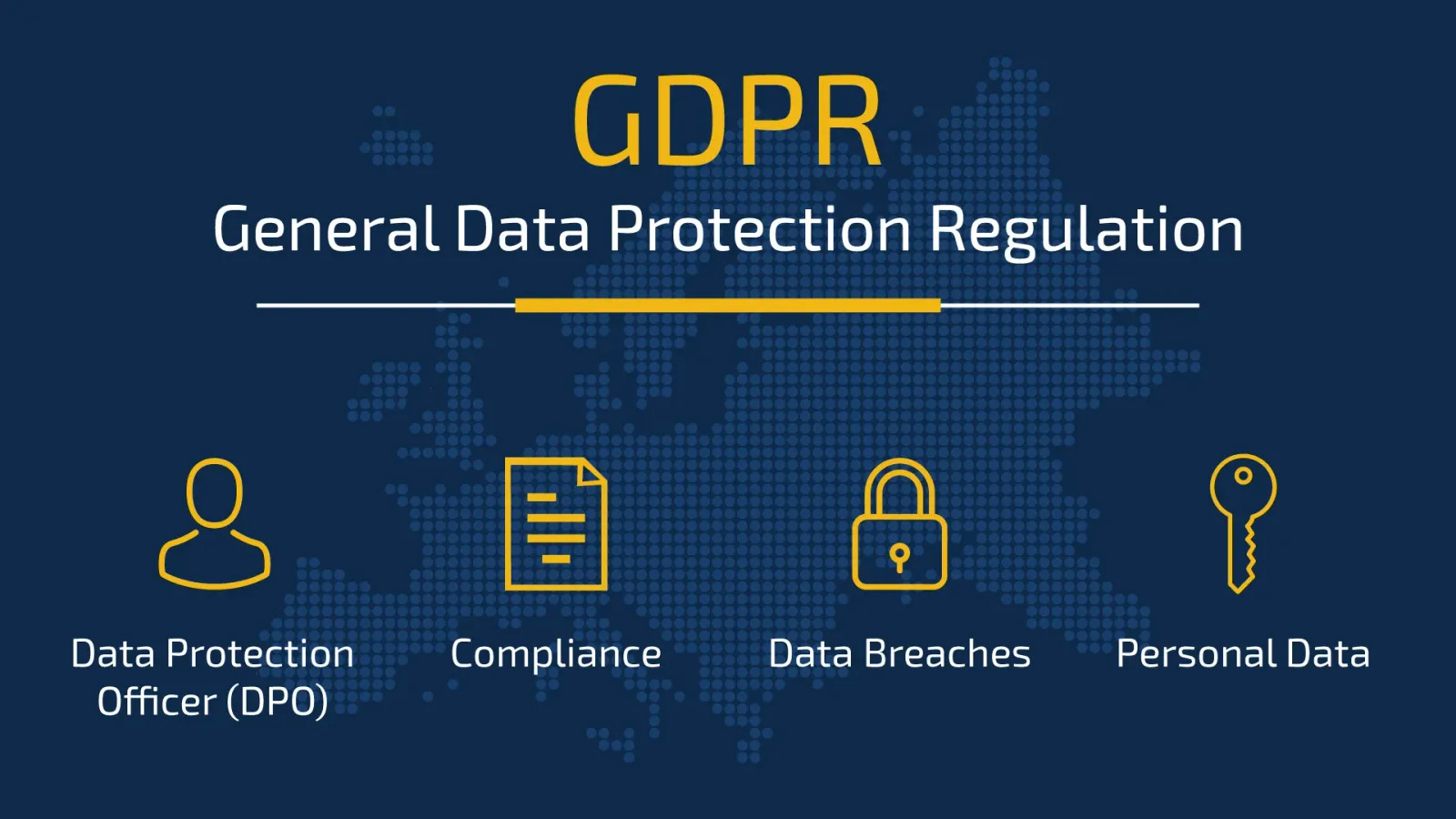
General Data Protection Regulation mandates organizations to protect EU citizens' privacy and personal data when conducting business within the member states of the EU. Compliance with the GDPR means extra measures like the protection of cookie data and personal IP addresses in addition to social security numbers, addresses, and names, by the security teams of organizations. On the other hand, Non-compliance with the GDPR is a costly affair for companies, as it can result in severe fines as high as €20 million or 4% of the annual revenue of the company. In short, non-compliance with GDPR is not an option!
The GDPR was adopted by The European Parliament in 2016, replacing the outdated data protection directives that were in practice since 1995. This change was a significant upgrade for the EU, as it transforms the way personal data and exportation outside the EU is handled by organizations from every sector. This regulation is extremely empowering for consumers, as it makes them the masters of the way their data is processed! In fact, with the implementation of GDPR, people have full say in who has access to their personal data, when their data is collected, and how it is being used.
Implementation of the GDPR
Every organization has to respect some user rights that are established by the GDPR, according to ico.org.uk , and if any of these rights are violated, there are severe punishments, like we already mentioned. Let us have a look at these rights:
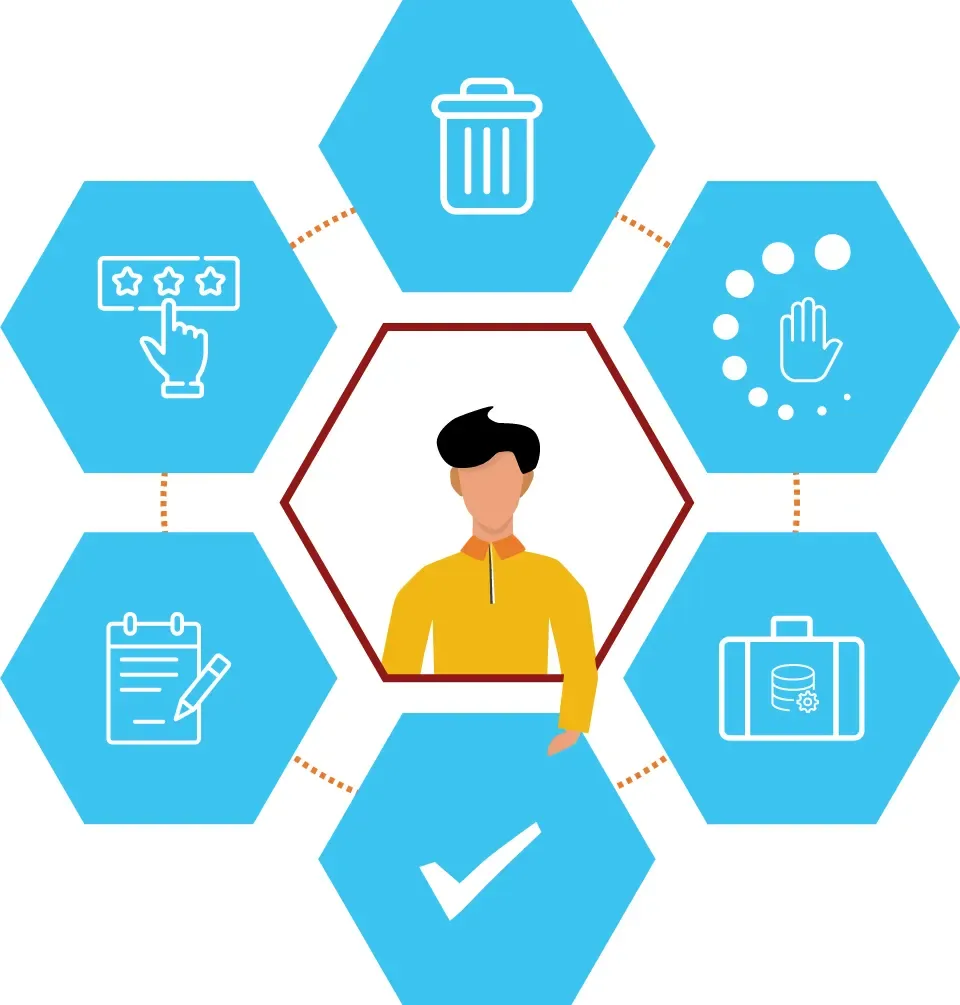
- The right to access- Every individual has the right to access their data and when asked, the respective organization will have to provide an e-copy of the user’s personal data, that too free of cost.
- The right to be informed- Individuals must be asked for consent and they must be informed before their data is collected and processed.
- The right to data portability- Customers have the right to transfer their data from one service provider to the other and this transfer should take place in a machine-readable format.
- The right to be forgotten- A user has the right to have their data deleted if they are no longer availing services from a company and can do so even if they no longer consent to the sharing of their personal data.
- The right to object- Every user has the right to stop the processing of their data if they have any objection to it.
- The right to restrict processing- The user has the right to both, stop the whole processing or stop a certain part of the processing of their data.
- The right to avoid automated decision making- Under GDPR, every individual has the right to not be subject to decision making when it is automatic and has a significant impact on the respective person.
- The right to rectification- The update, completion, and correction of user data has to be made by the company if the user demands, which gives users immense power over their data.
Some of the types of data that the GDPR is able to protect with these rights are biometric data, racial/ethnic data, health and genetic data, location, political opinions, sexual orientation, RFID tags, and so on. If you are wondering, then even your Facebook statuses and tweets have to be protected by the organizations, meaning uncompromised data encryption!
Who all are required to comply with the GDPR?
For companies operating outside the EU, there is still unawareness and some misconceptions regarding GDPR. For instance, a lot of companies think that they are exempt from complying with the GDPR if they are not operating from one of the member states of the EU. This, however, is not entirely true, so let us elaborate on the kind of businesses that are impacted by the GDPR (heads up! It is almost every business)
- Operating from any of the EU member states
- Does not operate from any of the EU member states but processes and monitors the data of residents of Europe.
- Has an employee force bigger than 250
- Has an employee force smaller than 250 but includes specific kinds of sensitive personal data, impacts the freedoms and rights of data subjects, and is occasional.
These factors cover almost 92% of companies in the US!
How can an organization comply with the GDPR?
- Raise Awareness Complying with the GDPR is possible only if your whole team fully understands what GDPR is and what it means for your organization. Raising awareness among people in your organization about GDPR, even among those employees who are not directly affected by it, minimizes the risk of non-compliance. The sooner a company’s workforce gets familiar with the GDPR, the sooner the implications of governance, budgetary, personnel, and communications, will be addressed. And according to ICO, this process should be started in every business without delay.
- Personal data audit Maintain an efficiently managed record of the personal data held by your company, who all have access to that data and where the data came from. If your company is GDPR compliant, then it has to have effective procedures and policies in place, so that you can prove your compliance with the data protection principles of the GDPR. For instance, if the personal data shared by your organization with any other organization has inaccurate information, then your organization is responsible for informing the other respective organization regarding the shortfall, so all the records are correct.
- Privacy notice update Generally, every business uses a DPA-compliant privacy notice that contains information like your identity, and your intention with their personal information. However, with GDPR in practice, your privacy notice needs to contain a few extra things such as the legal basis behind the processing of personal data, periods of data retention, and people’s right to reach out to the ICO and file a complaint if they feel unsatisfied with the way their data is being handled by your organization.
- Ensuring that all the procedures are in place to support individual rights of GDPR After understanding all the rights an individual has under GDPR, you have to ensure that all the procedures followed in your organization are in place. For example, when asked for it, you will only be able to provide an individual with a commonly used or electronic format of their data that you are using, when your organization is following all the procedures that respect GDPR’s individual rights.
- Ensuring all the procedures are in place to support subject access requests Subject access requests come as a headache for a lot of businesses since, under one of the GDPR individual rights, an organization is not allowed to charge anyone for compliance with their subject access requests and have to comply within 30 days. If your organization denies an individual access to their data, then all the right procedures have to be followed so you can justify the grounds for denial.className="py-2"
- Identification of legal basis for processing for data It is imperative for every organization to have a thorough understanding of different data types being processed by them so that they can pin down a legal basis for carrying out that process, which will also make documentation easier.
- Review of the procedure followed to obtain consent If your organization is relying on the consent of individuals for processing their data, then it is crucial to ensure that all the procedures are followed to maintain the record of their consent and an audit trail that is effective.
- Carefulness with data held on children If your organization contains any type of data on children below the age of 13 years then it should be a top priority to obtain the consent of parents or guardians for lawful processing of their data.
- Reporting any data breach to the ICO If there is a breach of personal information by your organization, then not only the individual but also the ICO has to be informed of it. And to comply with this, strict procedures have to be put in place to detect, investigate and report any breaches.
- Data Privacy Impact Assessments (DPIAs) review In case of high-risk circumstances such as the deployment of new technology in the organization that will affect individuals due to the potential modification of operations, a privacy impact assessment (PIA) has to be carried out. To achieve this process without any obstacles, it is recommended to get familiarised with the PIA code of practice.
- Data protection office appointment For companies with a workforce bigger than 250 people, public authorities, and companies that are involved in the regular, large-scale, data subject monitoring, then appointing a DPO is a must. A DPO will ensure the proper compliance with data protection as they will have adequate knowledge, authority, and support to carry it out efficiently.
Some mind-blowing facts about the GDPR
Just when one might start thinking that the benefits of GDPR for users’ data protection are coming to an end, some more benefits surface! Let us have a look at some lesser-known facts about GDPR:
- GDPR restricts any organization from hiding behind vague policies on websites that people do not even read, such as privacy notices. Under GDPR compliance, a company has to make its data privacy policies clear and easily accessible.
- For companies based outside of the EU, it is mandatory to have a representative in the EU, so that the representative can contact or be contacted by the EU supervisory authorities. Compliance with this rule is necessary even for companies dealing with something as minor as a European citizen entering their website.
- It took almost 2 years for the enforcement of GDPR by The European Union Parliament (April 2016- May 2018)
- Some of the biggest companies like Facebook and Google have had conflicts and difficulties in abiding by the GDPR guidelines because of their strictness.
How does EZ comply with the GDPR?
EZ is a Business Support Services provider with experts positioned across the globe. In an organization like ours, that has a clientele of Top Consulting Firms, protection of client data is critical, and is our top priority. We, at EZ, not only comply with but also have immense respect for the GDPR guidelines. We understand that only an individual or organization should have the right to decide on how their data is handled, processed, and accessed and by whom.
To add more weight to our claims, we have also designed an incredibly safe and secure software called EZ Secure Transfer, in which the information shared by the users will in no condition be accessed by anyone apart from the people that have the user’s consent to access their data. The encryption of client data in EZ secure transfer helps the client to add multiple layers of protection on their private information so that there is no question of an information breach.
Moreover, all our systems are ISO-Certified, which is proof of our strictly controlled procedures, strict regular training, audits, and constant monitoring and training. Getting certified with ISO also helped us a lot in winning the trust of our clients! And this is not even where EZ’s respect for a client’s information ends, because even our premises have constant CCTV surveillance and access inside the premises only through biometric control.
EZ’s compliance with every minor to the major guideline of the ISO and GDPR awards us with satisfaction every single day, as we are confident that the promise of uncompromised information security is one we will always fulfil! Apart from this, our Round The Clock Available experts would be more than happy to listen to and answer any of your other privacy concerns, whenever you need! Yes, EZ is sort of a golden package of added benefits! So, contact us today, to avail your share of extra benefits!