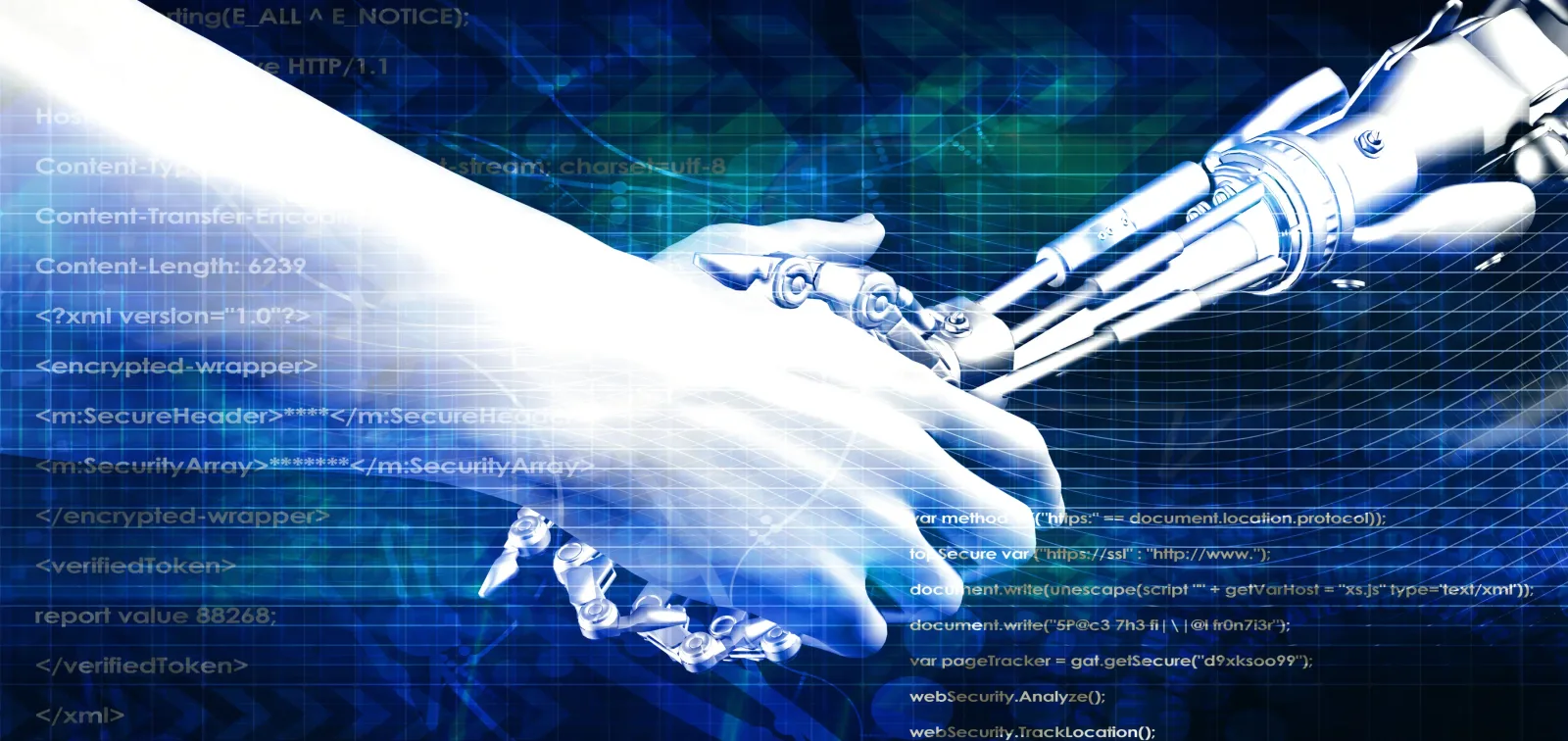
Artificial intelligence (AI) is transforming industries at an unprecedented pace, driving innovation and efficiency across various sectors. But just how rapid is this growth? According to a recent Statista Global survey, the AI market is projected to reach nearly $826 billion by 2030, marking a significant leap in economic expansion. Among all industries, manufacturing stands at the forefront of this transformation, leveraging AI to optimize production and enhance efficiency and foster sustainable growth.
As we navigate the Fourth Industrial Revolution, automation is no longer a choice—it is a strategic necessity. From smart factories to advanced robotics and predictive analytics, AI is revolutionizing manufacturing, creating more agile, precise, and data-driven production environments. Traditional manufacturing processes often struggled with inefficiencies and rigid workflows, but with the integration of AI and IoT (Internet of Things), businesses are now equipped with real-time analytics, intelligent sensors, and automated systems that minimize errors and maximize productivity.
However, AI is not here to replace human intelligence—it is designed to empower the workforce. By automating repetitive tasks and enabling smarter decision-making, AI allows workers to focus on higher-value, strategic roles, fostering a collaborative and innovation-driven industry. In this article, we will explore the key applications of AI in manufacturing, its impact on workforce efficiency, and the challenges businesses must overcome to ensure sustainable, technology-driven growth in the future of manufacturing.
Key Applications of AI in Manufacturing
From boosting efficiency to enhancing worker safety, AI is reshaping manufacturing through innovative applications. Let’s explore some key use cases where AI is transforming the industry.
Predictive Maintenance
AI-driven predictive maintenance leverages historical and real-time machine data to detect anomalies and predict potential failures. By analyzing usage patterns and equipment performance, AI can identify early warning signs of malfunction, allowing manufacturers to proactively address issues before they escalate. Unlike traditional scheduled maintenance, which often leads to unexpected breakdowns and costly downtime, this intelligent approach reduces operational disruptions, extends equipment lifespan, and minimizes repair costs.
Supply Chain Optimization
AI plays a critical role in optimizing supply chains by analyzing market trends, demand fluctuations, and historical data. AI-powered forecasting enables manufacturers to anticipate shifts in demand with greater accuracy, ensuring smarter inventory management and streamlined production planning. Additionally, AI enhances logistics efficiency through route optimization, automated tracking, and real-time inventory control, leading to faster deliveries, reduced costs, and improved customer satisfaction.
Robotics and Automation
AI-powered robotics are revolutionizing manufacturing by taking on tasks such as material handling, quality inspection, and precision assembly. These robots enhance speed, accuracy, and consistency, significantly reducing errors and increasing overall productivity. What sets modern AI-driven robotics apart is their adaptability—they can be reprogrammed and adjusted to align with evolving industry needs.
Furthermore, collaborative robots (cobots) are designed to work alongside human employees, improving workplace safety and efficiency. Rather than replacing human expertise, AI-driven automation enhances workforce capabilities, ensuring that human creativity and critical thinking remain at the core of industrial advancements.
AI’s impact on the manufacturing workforce
AI is transforming business operations on a daily basis. While its rapid growth brings unprecedented efficiency, it also presents new challenges for the workforce. Let’s explore the impact AI has on the manufacturing sector and how workers can adapt to this evolving landscape.
Job Evolution
Sundar Pichai, CEO of Alphabet and Google, once stated, “Artificial intelligence will have a more profound impact on humanity than fire, electricity, and the internet.” While this highlights AI’s transformative potential, it does not necessarily mean human jobs will disappear. Instead, the nature of work in manufacturing is evolving.
Rather than replacing workers, AI is reshaping roles and creating new opportunities. The demand for supervision, troubleshooting, and AI-driven decision-making is higher than ever. Manufacturing employees will be responsible for developing and managing advanced AI-driven technologies, ensuring seamless operations, enhancing production efficiency, and guiding AI systems to align with business objectives.
The Need for Upskilling
As AI adoption accelerates, workflows are becoming more dynamic, requiring continuous adaptation. Organizations must stay ahead by identifying market trends, innovating products, and integrating AI-powered solutions to remain competitive.
However, success in this AI-driven environment hinges on workforce upskilling. Employees must develop expertise in robotics, data analytics, and smart automation to thrive in the evolving manufacturing landscape. By acquiring new skills, workers not only enhance their value but also drive productivity and innovation within their organizations.
3 Major Challenges of Implementing AI in Manufacturing
The integration of AI into the manufacturing sector is driving a major shift, bringing unparalleled efficiency and innovation. However, with every transformation comes a set of challenges. As businesses evolve, it becomes essential to recognize and address these obstacles to ensure sustainable growth and operational excellence. Below are three major challenges that organizations face while adopting AI in manufacturing.
1. High Implementation Costs
While AI promises significant advancements in manufacturing, its adoption comes with substantial financial investment. Small and mid-sized enterprises often struggle with the high costs associated with AI integration, including advanced hardware, specialized software, infrastructure upgrades, and skilled personnel to manage AI-driven processes. Strategic financial planning and collaboration with trusted partners can help businesses optimize costs while maximizing efficiency. EZ offers cutting-edge solutions to streamline operations, upskill teams, and enhance overall productivity, ensuring a smooth transition into AI-powered manufacturing.
2. Workforce Resistance to Change
The fear of AI replacing human jobs remains a global concern, often leading to resistance among employees. Many workers perceive AI-driven automation as a threat rather than a tool for enhancement. Job displacement concerns and evolving workplace dynamics contribute to uncertainty. To navigate this challenge, organizations must foster transparency, reassure employees of career growth opportunities, and involve them in the transformation process. By integrating AI as a collaborative force rather than a replacement, businesses can create a balanced ecosystem where technology empowers human expertise.
3. Ethical and Security Considerations
AI implementation must align with industry regulations and data privacy guidelines to maintain credibility and trust. Ensuring compliance with AI governance frameworks, establishing monitoring mechanisms, and prioritizing data protection are crucial for risk mitigation.
Additionally, as digital transformation accelerates, manufacturing industries become prime targets for cyberattacks. Safeguarding consumer data, intellectual property, and operational processes from unauthorized access is imperative. Partnering with cybersecurity experts and implementing robust security protocols can significantly enhance data protection and mitigate potential threats.
By proactively addressing these challenges, businesses can harness AI’s full potential while ensuring long-term stability, workforce engagement, and ethical responsibility. With the right strategy and support, AI can serve as a transformative force, driving efficiency and innovation across the manufacturing landscape.
Conclusion
Artificial Intelligence is transforming the manufacturing industry, turning traditional processes into intelligent, data-driven operations. As businesses navigate this rapid evolution, partnering with a trusted expert like EZ is essential for seamless integration and long-term success. With 70+ specialized offerings across 5 major service lines, 15 capabilities, we offer cutting-edge AI solutions designed to optimize efficiency, enhance productivity, and drive sustainable growth. Our expertise ensures real-time monitoring, anomaly detection, and proactive strategies to minimize downtime and maximize operational efficiency.
What sets us apart is our round-the-clock availability, real-time monitoring through the constant feedbacks and 10-20-30 rule, and advanced AI-driven insights that help detect potential disruptions before they occur. With a proven track record of delivering consistently high-quality results, EZ empowers businesses to embrace AI-driven transformation, unlock new possibilities, and stay ahead in a competitive market. As AI reshapes manufacturing, we remain committed to guiding businesses toward a future of innovation, efficiency, and success.