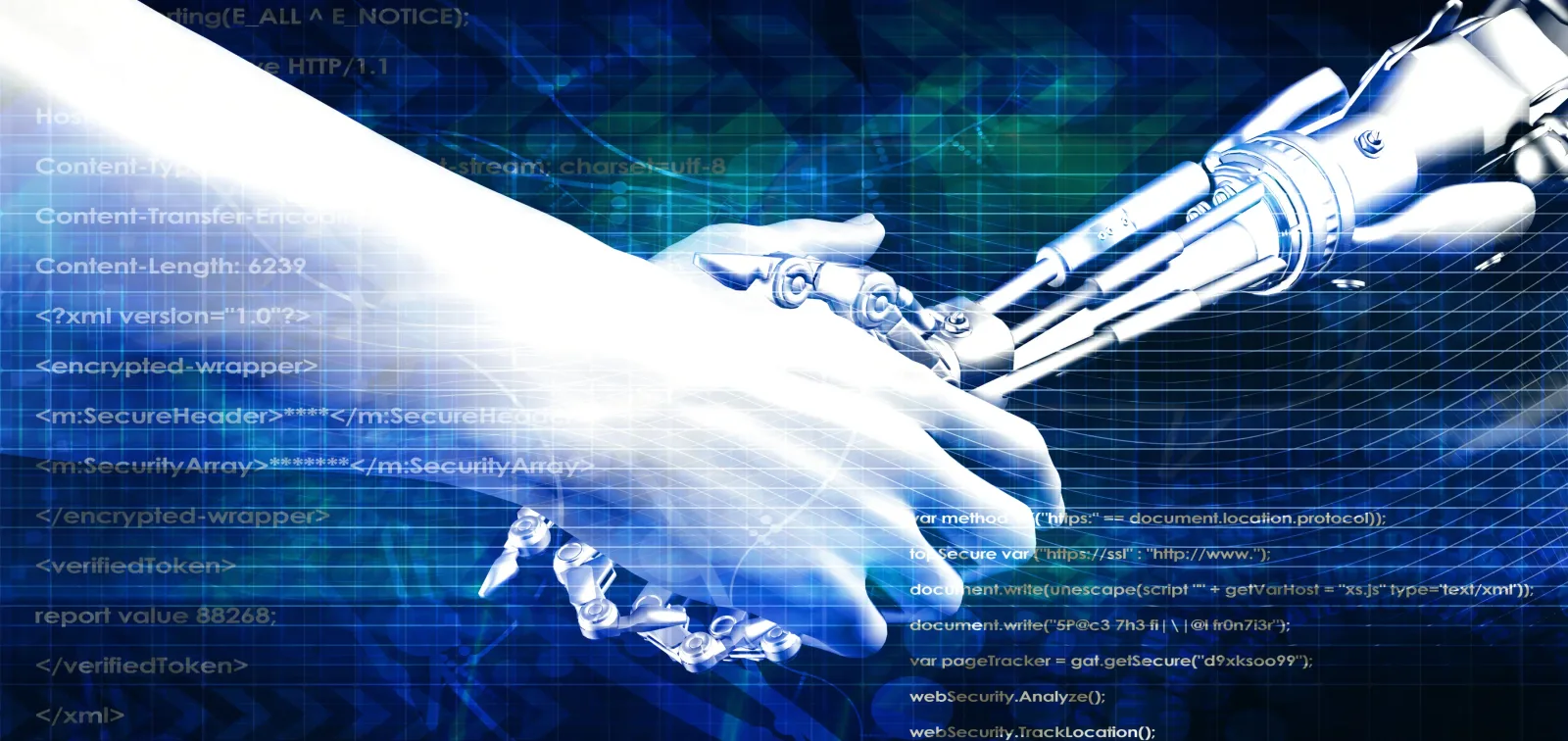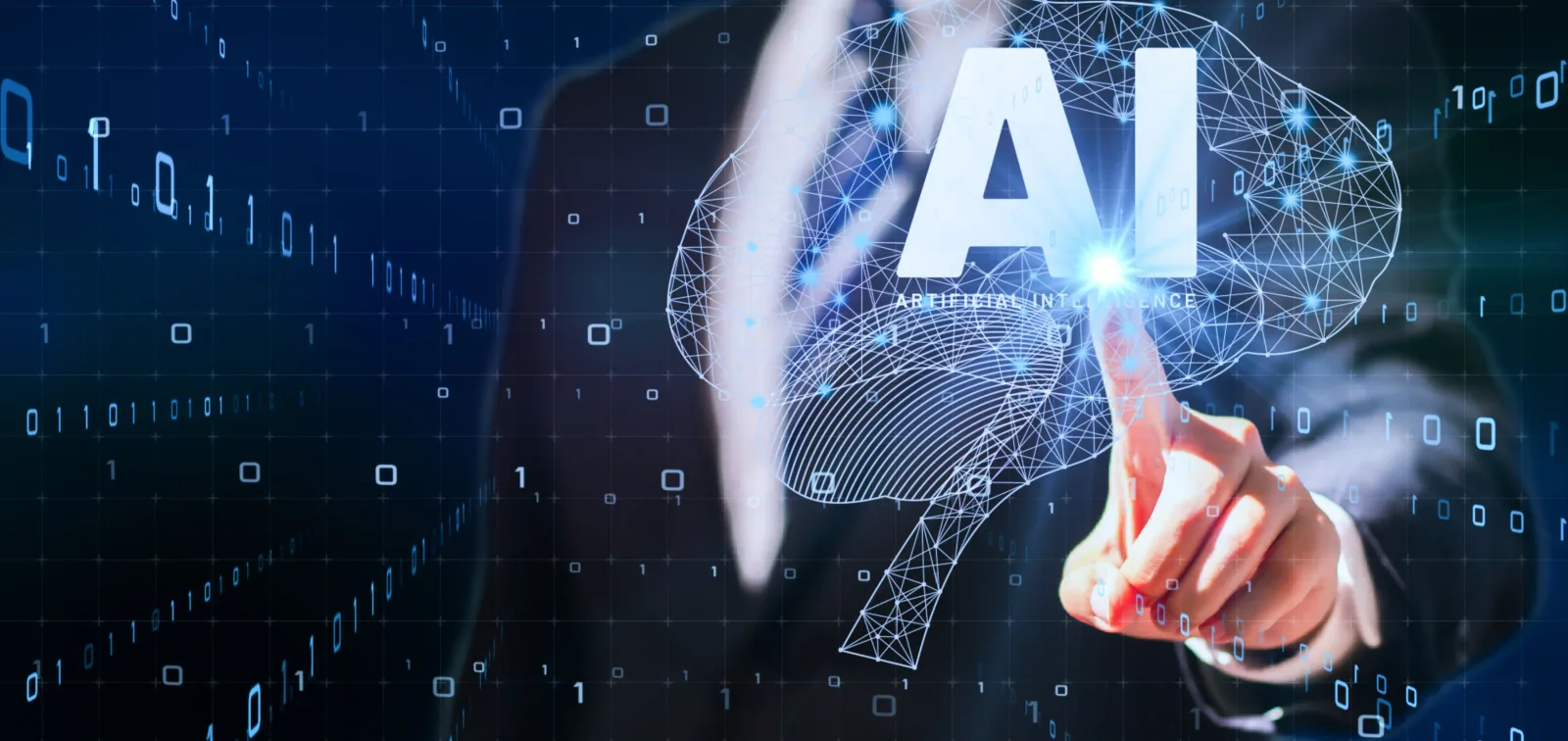

"AI itself is neither inherently positive nor negative—its impact is defined by how we design, implement, and govern it."
The rapid evolution of artificial intelligence is reshaping industries, enhancing productivity, and streamlining operations across various sectors. From automating recruitment processes to optimizing workflows, AI offers unparalleled efficiency, accuracy, and data-driven decision-making. However, as AI adoption accelerates, so do the ethical challenges that come with it. How do we ensure that AI-driven systems remain fair, unbiased, and aligned with ethical standards? Striking the right balance between innovation and responsibility is crucial to harnessing AI’s full potential while safeguarding trust, transparency, and human values in the workplace.
The ethical dilemma of AI in the workplace
Artificial intelligence (AI) has become a cornerstone of modern business operations, revolutionizing everything from daily task automation to complex data-driven decision-making. While its potential to enhance efficiency and innovation is undeniable, the integration of AI into organizational workflows brings forth crucial ethical considerations.
Businesses must navigate the challenge of leveraging AI’s capabilities while upholding fairness, transparency, and a strong commitment to human values. Striking this balance is essential—not only to ensure responsible AI adoption but also to build trust, drive sustainable growth, and maintain a competitive edge in an increasingly AI-driven world.
Key Concerns of AI in the workplace: bias in hiring, workplace surveillance, job loss risks
1. Recruitment Bias
AI recruitment software is designed to scan through huge numbers of applications within a limited time period. However, such software is trained on historical data, which is biased. For instance, if earlier hiring processes were gender- or racially biased, then the AI tool would perpetuate such biases and lead to discriminatory practices. One such example is Amazon's AI recruitment tool, which was discovered to disadvantage females who were interviewing for jobs on account of the biased training set.
2. Surveillance at the Workplace
The application of AI for monitoring workers is of significant privacy concern. Advanced systems can not only track levels of productivity, intercept communications, and even track behavior patterns. While intended to improve efficiency, monitoring can lead to a culture of suspicion and infringe on individual privacy. Workers can feel they are watched constantly, an aspect that results in stress and will likely dampen morale.
3. Job Loss Risks
Job automation by AI involves the possibility of replacing certain job roles, particularly those that are repetitive. Though AI can do the job better, it evokes the specter of unemployment and the future of man in the workplace. The moral issue is whether business firms can accommodate innovative headway with the government assistance of their representatives.
Corporate Responsibility: Transparency, fairness, and ethical AI use
Businesses are free to apply AI in the workplace that align with moral standards and cultural norms. Among the principal responsibilities are:
Transparency
Organizations must be open about how they're employing AI, especially in customer and employee decisions. This involves being open about what data is being collected, why, and the logic behind AI-driven decisions. Building confidence is facilitated by transparency, which also enables stakeholders to examine and contest results as needed.
Fairness
Businesses should regularly examine and upgrade their AI models to stop AI systems from reinforcing preexisting prejudices. This means using diverse data in training and regularly checking outputs for the sake of unintended discrimination. Fairness means actively trying to uncover and eliminate biases in AI algorithms.
Ethical AI Use
In addition, organizations should foster a moral structure for sending artificial intelligence. This implies considering the general impact of man-made intelligence applications on society and the climate. For example, artificial intelligence frameworks should have the option to increase human laborers, not supersede them.
Government Regulations: AI laws and policy examples
In appreciation of the massive influence of AI in the workplace, governments across the globe are legislating to guarantee its proper use.
European Union's AI Act
The EU has sent off broad regulation arranging computer-based intelligence applications as per risk levels. High-risk applications, similar to those in enrollment or basic frameworks, are dependent upon severe prerequisites, including straightforwardness and responsibility arrangements. This groundbreaking system is expected to safeguard central freedoms and guarantee that artificial intelligence helps the public greatly.
United States Initiatives
In the US, guidelines for artificial intelligence have been decentralized, with different states authorizing their own bills. For example, California's Generative Artificial Intelligence Copyright Divulgence Act commands that organizations uncover the utilization of protected material in man-made intelligence, preparing informational indexes. These actions are intended to safeguard licensed innovation freedoms and advance moral man-made intelligence improvement.
Global Perspectives
Countries like Japan have also implemented AI guidelines focused on human-oriented development, emphasizing respect for human rights and the promotion of social benefits. All these global efforts reflect a common appreciation for the significance of ethical AI governance.
Conclusion: AI as an Ethical Enabler, Not an Exploiter
At EZ, we strike the perfect balance between innovation and responsibility. We don’t just leverage AI to accelerate processes—we harness it to drive ethical, intelligent, and transformative change. Our extensive adoption of AI, combined with proprietary tech solutions, has redefined service delivery, making operations smarter, safer, and seamlessly efficient—all while upholding the highest ethical standards.
What Sets EZ Apart?
At EZ, excellence isn’t an option—it’s a standard. Our ISO 27001:2022-certified security protocols ensure rigorous data protection with real-time monitoring and controlled implementation, while our ISO 9001:2015 certification guarantees industry-leading quality in every deliverable. We don’t just meet benchmarks—we set them.
Speed is embedded in our DNA. With our proprietary 10-20-30 rule, we redefine turnaround times, delivering solutions faster than the fastest without compromising on precision. Our round-the-clock availability ensures businesses can rely on EZ anytime, anywhere - because opportunities don’t wait, and neither do we.
While the world leans toward AI-driven solutions, EZ takes it further by ensuring AI enhances - never replaces - human ingenuity. Our global network of subject matter experts (SMEs) collaborates with AI to craft solutions that empower businesses, combining automation with human insight for consistently high-quality outcomes. AI should never be a tool for unchecked automation—it must be a catalyst for ethical, human-centric progress. At EZ, we don’t just innovate; we elevate—helping businesses harness AI responsibly while staying ahead in an ever-evolving digital landscape.