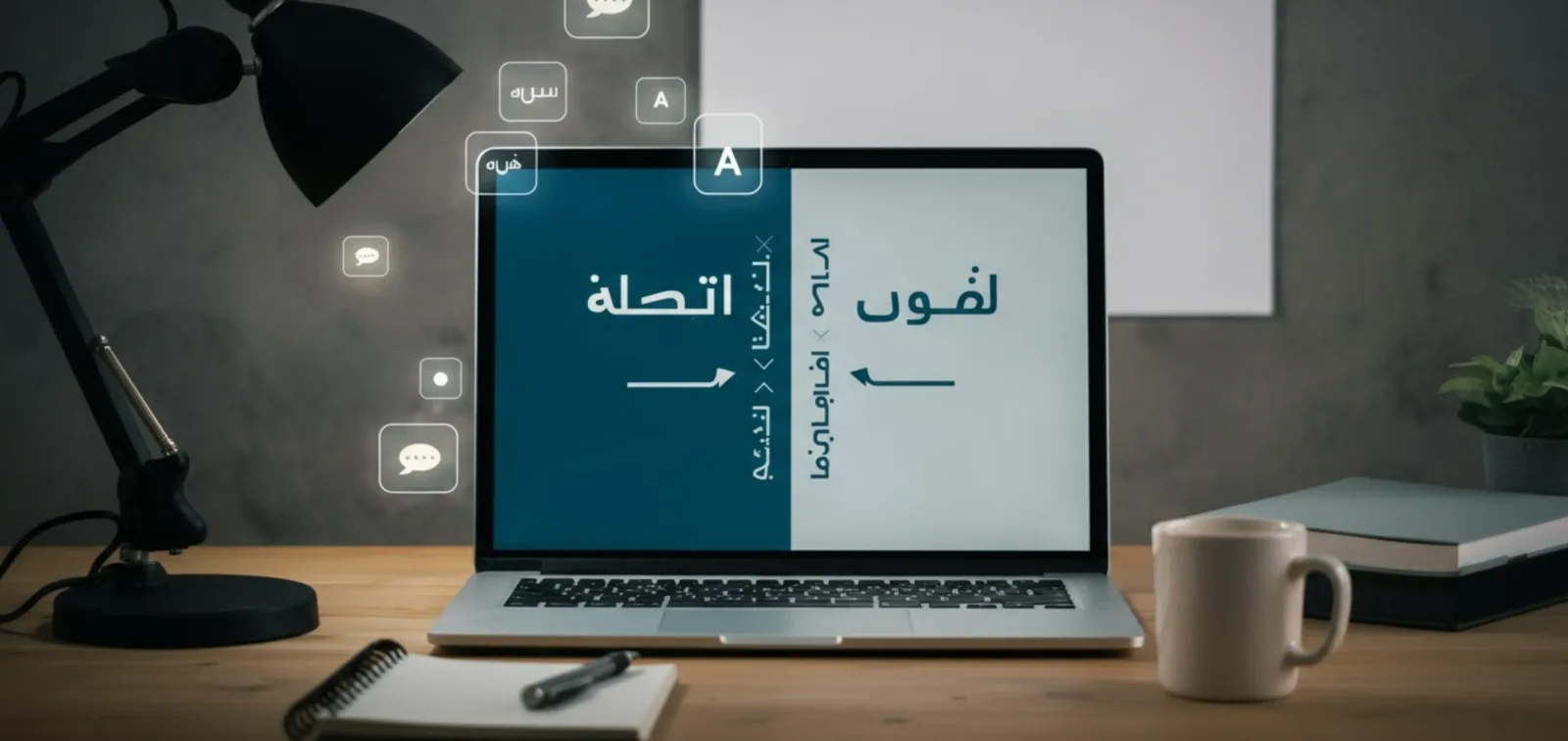

In an era where businesses are racing to capture global markets, localization has become more than just a strategy—it's a necessity. According to a recent report by Common Sense Advisory, 76% of consumers are more likely to purchase a product if information is presented in their native language, and 60% of them rarely or never buy from English-only websites. These statistics underscore the importance of not just translating content but truly localizing it to resonate with diverse cultures, nuances, and expectations.
Enter AI translation services : the technological evolution that has redefined the speed and scale at which companies can translate their content. Machine learning algorithms now make it possible to process millions of words within seconds, offering businesses a way to scale their operations and adapt to different linguistic markets in real-time. Being a global service provider, we’ve seen firsthand how this hybrid approach delivers unparalleled localization quality, ensuring your content resonates globally.
By integrating human feedback into the translation workflow, businesses can bridge the gap between raw computational power and human intelligence. This hybrid approach not only compensates for the limitations of AI but also amplifies its strengths, resulting in higher accuracy, better contextual understanding, and more culturally relevant translations. This blog explores the concept of human-in-the-loop translation systems, diving into how combining the best of both worlds- AI and human expertise- can create a comprehensive and efficient localization strategy.
Benefits of Combining Human and Machine Translation for Localization
Higher Accuracy and Quality Control
AI translation services offer speed and efficiency, but human translators remain essential for quality control. While AI can quickly generate translations, human experts are crucial in fine-tuning and refining the results. They catch subtle errors, correct awkward phrasing, and ensure that the translation is both contextually and culturally accurate. This is especially important in industries like legal, medical, and technical sectors, where precision is non-negotiable. Combining AI's speed with human expertise delivers flawless, high- quality translations that meet industry-specific standards.
Faster Turnaround Times
AI can significantly accelerate the translation process by producing real-time drafts, while human translators provide quick reviews and corrections, shortening the overall turnaround time. Unlike traditional methods, which require human translators to work from scratch, the hybrid approach enables faster processing without sacrificing quality. This is particularly beneficial for businesses with tight deadlines, allowing them to scale their localization efforts rapidly without delays.
Cost-Effective Scalability
AI translation services make it possible for businesses to handle large volumes of content efficiently. By incorporating human input, companies can maintain the quality of the translation even as they scale their efforts. Previously, scaling up localization efforts often meant higher costs or compromised quality. Now, the hybrid model of AI and human translators provides an affordable solution that enables companies to handle vast amounts of content while maintaining the highest standards of quality.
Enhanced Contextualization and Cultural Sensitivity
Machine translation systems can sometimes miss the subtle nuances of language, particularly in culturally diverse contexts. What works in one region may not resonate in another, and certain words or phrases may even carry unintended negative connotations. Human translators possess the cultural awareness necessary to adapt translations to fit local sensibilities. By ensuring that translations are contextually accurate and culturally appropriate, they help prevent costly missteps that could damage a brand’s reputation in international markets.
Improved User Experience
Localization is not just about translating words—it's about delivering a seamless experience for users in different regions. AI-generated translations can sometimes feel robotic, missing the flow and natural tone of the original content. Human experts can polish these translations, ensuring that the text reads fluently and engages the target audience. Whether it's a website, mobile app, or marketing material, the hybrid model ensures that the localized content provides a positive user experience that feels authentic and intuitive to local consumers.
Better Consistency Across Large-Scale Project
For large-scale localization projects involving multiple languages, consistency is key. AI translation tools can help ensure consistency across vast amounts of content, maintaining terminology and phrasing uniformly. However, human translators play an essential role in overseeing this consistency and making adjustments where necessary to ensure that the tone and style align with the brand’s voice. This combination ensures that the localized content remains cohesive and effective, even across different languages and cultural contexts.
AI and Human Collaboration: A Look at Industry Use Cases
The synergy between AI and human translators has revolutionized localization across industries, enabling businesses to communicate effectively with a global audience. Let’s explore how this collaboration works in real-world scenarios:

E-Commerce
Global e-commerce platforms like Amazon and eBay rely heavily on localized content to cater to their diverse user bases. AI translation tools provide rapid translations of product descriptions, reviews, and customer support documents. However, human intervention ensures that the messaging aligns with regional preferences, cultural nuances, and consumer expectations. This hybrid approach enhances user trust and drives conversions, directly impacting the bottom line.
Healthcare
The healthcare industry demands the highest levels of accuracy and sensitivity. AI- powered tools efficiently process complex medical terminologies and large-scale clinical documentation. Human translators then verify the translations to ensure precision and compliance with regional regulations. This ensures that critical information, such as patient instructions or pharmaceutical guidelines, is not only accurate but also understandable and accessible to diverse audiences.
Media and Entertainment
From subtitling movies to localizing video games, the media industry thrives on global reach. AI can generate subtitles or dialogues in multiple languages almost instantly, while human translators refine the tone, humor, and emotional context. For instance, the successful localization of a film or game often depends on how well it resonates with local audiences, a task that requires cultural insight only humans can provide.
Legal and Financial Services
Accuracy is paramount in legal and financial documents, where even a minor error can lead to significant consequences. AI-powered tools streamline the initial translation of contracts, policies, and financial statements. However, human experts meticulously review these documents to ensure legal terminology, cultural specificity, and compliance are upheld. This hybrid approach maintains both speed and integrity in highly regulated sectors.
Education and E-Learning
AI has been instrumental in localizing e-learning platforms, enabling educational content to reach learners worldwide. Automated translation provides quick drafts of course materials, while human experts refine the content to match educational standards, regional dialects, and cultural norms. This ensures students receive an engaging and effective learning experience in their native language.
Challenges in Human-AI Integration
While the hybrid model of combining AI and human expertise for localization offers significant advantages, implementing it effectively requires addressing several challenges. These hurdles highlight the complexity of blending technology with human intelligence and underscore the need for strategic planning and robust systems.
1. Balancing Speed and Quality
One of the most critical challenges is achieving the right equilibrium between the speed of AI-generated translations and the nuanced quality brought by human oversight. AI tools can process large volumes of text in a fraction of the time it would take a human translator. However, these outputs often require significant refinement to ensure contextual and cultural accuracy.
For urgent projects, this balance can become particularly tricky. Over-relying on AI may compromise quality, while excessive human intervention can negate the speed advantages of automation. Successful integration involves clearly defining roles, setting realistic timelines, and adopting a collaborative workflow that maximizes both efficiency and precision.
2. Managing Diverse Workflows
The hybrid model necessitates seamless coordination between AI systems and human translators, which can be challenging, especially for complex, large-scale projects. AI tools might deliver initial translations rapidly, but ensuring that human experts can review, edit, and finalize these translations without delays requires streamlined workflows.
Factors such as misaligned priorities, inconsistent use of terminology, or bottlenecks in review processes can hinder efficiency. Implementing centralized platforms that allow real-time collaboration, feedback sharing, and progress tracking is essential to overcoming this challenge.
3. Maintaining Data Security
With sensitive information often being processed during translations—especially in sectors like healthcare, finance, and legal—ensuring robust data security is paramount. AI-powered tools rely on vast amounts of data for training and processing, which introduces vulnerabilities if proper safeguards are not in place.
Key concerns include:
- Data privacy risks: Unauthorized access to sensitive information during cloud-based processing.
- Regulatory Compliance: Meeting stringent regional data protection laws, such as GDPR or HIPAA.
- Intellectual Property Protection: Safeguarding proprietary content from potential misuse.
At EZ, we’ve implemented stringent data security protocols to address these concerns. Our ISO:27001:2022 certification reflects our dedication to maintaining the highest standards of data confidentiality, integrity, and availability. Every project is handled within a secure infrastructure, ensuring that client data remains protected at all times.
4. Bridging Cultural Gaps
AI tools, despite their advanced capabilities, often lack the cultural sensitivity required for effective localization. For instance, while AI may accurately translate words, it can miss the cultural context or emotional undertones essential for resonating with target audiences. Human translators play a critical role in bridging this gap, but integrating their input seamlessly with AI outputs requires careful management. Regular training for linguists on working with AI-generated content and incorporating cultural reviews as a standard part of the workflow can address this challenge effectively.
5. Ensuring Consistency Across Large Projects
For businesses managing multilingual and multi-regional content, maintaining consistency in tone, terminology, and style across all outputs is a significant challenge. AI tools excel at ensuring uniformity in terminology but may falter when adapting tone or style for diverse audiences.
Human translators are vital in overseeing these aspects, but without clear guidelines or a centralized system for managing translations, inconsistencies can creep in.
At EZ , we redefine localization by harmonizing cutting-edge AI technology with unparalleled human expertise, delivering solutions that exceed industry standards. Our global network of professional linguists ensures every project is culturally nuanced and contextually accurate, resonating authentically with target audiences. Leveraging advanced proprietary AI tools, we process high volumes of content swiftly and precisely, tailoring solutions to meet diverse client needs- from large-scale e-commerce ventures to specialized legal translations. With scalable operations designed to support businesses of any size and a relentless commitment to excellence, we combine innovation with rigorous quality assurance to deliver localization that empowers brands to succeed in a global marketplace. Partner with us to redefine your global communication strategy and unlock new opportunities in the ever-evolving digital landscape.