

“While machines can provide the breadth, humans bring the depth.”
This insightful perspective highlights the growing recognition that high-quality translation demands both the breadth of automated translation tools and the depth of human evaluation. In an era where information crosses borders at the speed of light, maintaining high translation quality is essential for companies with a global footprint. As translation technology continues to advance, the question is no longer about whether machine translation (MT) can play a role but rather how it can be integrated most effectively with human expertise to enhance quality and relevance.
This is the guiding philosophy at EZ, where our hybrid approach- integrating machine and human evaluation- delivers quality beyond simple accuracy. As we assess the best practices in translation quality, this blog will explore how EZ and leading translation teams worldwide employ a balanced, intelligent model. With a focus on blending human insight with machine precision, we aim to set a new standard in translation assessment that meets the growing demands of a globalized marketplace.
In the sections that follow, we’ll delve into current perspectives on translation quality assessment and outline how companies like EZ are redefining best practices. This balanced approach is not only about achieving accuracy but also about ensuring cultural relevance and efficiency in an increasingly connected world.
Understanding Human Evaluation of Machine Translation
As machine translation (MT) technology evolves, achieving consistently high-quality translations remains a nuanced challenge. While automated tools like neural machine translation (NMT) systems have made impressive strides in capturing basic linguistic structures, they often struggle with subtleties like idiomatic expressions, emotional tone, and context-specific meanings. These elements, which can significantly impact the accuracy and cultural relevance of a translation, are where human evaluation becomes indispensable.
Human evaluation plays a critical role in refining translation quality, bridging the gap between machine efficiency and human insight. Skilled linguists assess MT output meticulously, focusing on fluency, accuracy, and cultural alignment to ensure that the final product resonates authentically with the intended audience. Rather than replacing human expertise, MT tools act as a foundation upon which human evaluators build, adjusting nuances and contextual factors that only human understanding can detect.
At EZ, we embody this balanced approach by integrating human evaluation at key stages of the translation process. By combining the efficiency of MT with the depth of human insight, we consistently deliver translations that are not only precise but also culturally resonant, elevating the translation process to meet the high standards expected in today’s globalized market.
The Value of Human Expertise and Technology in Language & Communications
In the ever-evolving landscape of translation, human expertise remains an invaluable asset, particularly in the field of language & communications. While advancements in machine translation (MT) technology, such as neural machine translation (NMT) systems, have significantly improved efficiency, human evaluators are essential for ensuring cultural accuracy and depth that automated systems often miss. Human linguists bring an understanding of nuanced contexts that allows translations to resonate authentically with target audiences. This blend of machine efficiency with human insight, known as human evaluation of machine translation, is critical to meeting the high standards required by diverse linguistic and cultural markets.
Consider, for example, a company expanding into a new region. While MT can quickly generate translations, these outputs require expert refinement to ensure cultural sensitivity and local relevance. Human evaluators adjust translations to reflect local idioms, colloquialisms, and contextual specifics—elements that machines often overlook. By merging the insights of skilled human translators with the speed and efficiency of MT tools, EZ helps companies maintain the authenticity of their message, aligning it with the values and expectations of each unique audience.
How Technology & AI Enhance the Translation Process
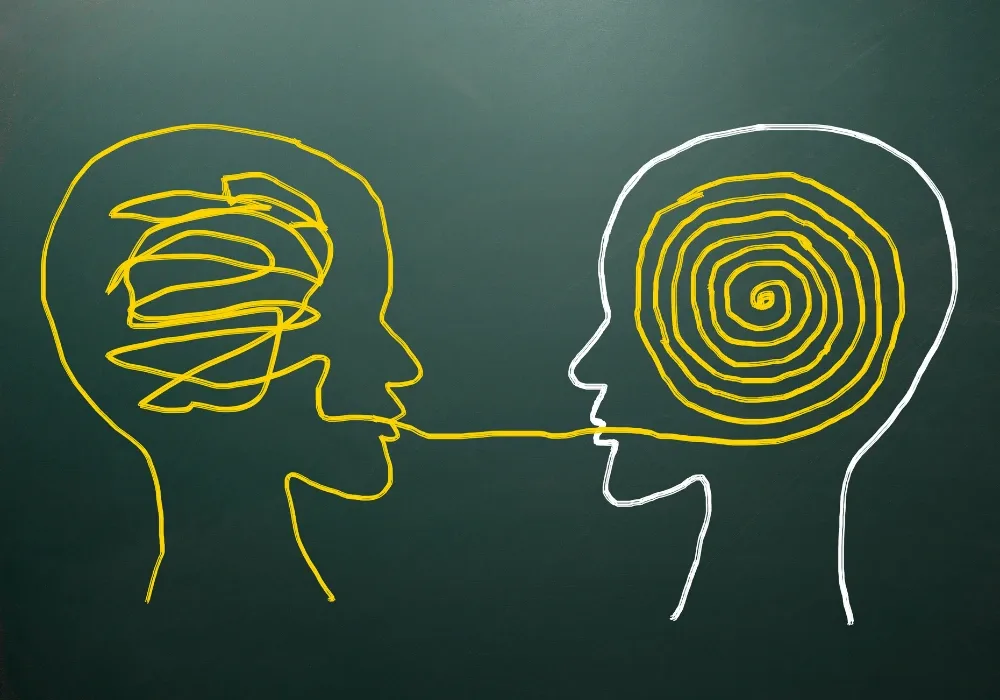
On the technology side, automated tools and AI systems provide a solid foundation for efficiency and consistency. MT systems are capable of processing large volumes of text rapidly, optimizing time and resources for high- demand translation projects. At EZ, our Technology & AI service line leverages machine learning models to support our translation teams by identifying repetitive language patterns and standardizing approaches for technical terms and specialized vocabulary.
Integrating AI into the translation workflow allows MT tools to handle initial translation tasks, giving human reviewers a strong, reliable framework to build upon and refine. However, AI-driven translations have limitations, particularly in areas requiring contextual nuance and emotional sensitivity. Without human oversight, machine-generated translations risk losing these subtleties. By combining the precision and efficiency of MT with the depth of human evaluation of machine translation, we consistently deliver translations that not only meet linguistic standards but also achieve cultural resonance, making a meaningful impact in global markets.
| Aspect | Human evaluation | Machine Translation | Combined approach |
|---|---|---|---|
| Cultural Context | Provides deep understanding of local norms, idioms, and tone. | Limited ability to interpret cultural nuances, often literal in translation. | Human evaluators add cultural relevance to MT output, ensuring messages resonate with target audiences. |
| Efficiency | Time-intensive; involves careful review of language, tone, and context. | Processes large volumes of text rapidly, enabling faster translations. | MT handles bulk translation, while human reviewers refine critical aspects for a faster, more balanced approach. |
| Consistency | Offers varied quality due to human factors, though highly adaptable to specific needs. | Provides standardized vocabulary and syntax but may lack context adaptation. | MT provides consistency, with human evaluators ensuring that terminology and style remain appropriate and cohesive. |
| Accuracy in Technical Terms | Specialized knowledge adds precision, especially in technical translations. | Standardizes technical language but may lack accuracy in specialized fields. | Human translators validate technical terminology, ensuring correctness and appropriateness for the context. |
| Tone and Emotional Nuance | Skilled in adjusting tone, formality, and emotion to suit audience expectations | Limited capability in capturing subtleties in tone and sentiment. | Human editors refine MT outputs, adding emotional and tonal nuances tailored to the audience's cultural expectations. |
| Overall quality | Ensures high- quality, nuanced translations with cultural and contextual depth but may lack speed. | High-speed output but prone to errors in idioms, context, and nuanced language. | A balanced approach that maximizes speed and accuracy while ensuring high-quality translations that respect linguistic and cultural norms. |
By combining machine efficiency with human evaluation of machine translation, we ensure consistently high-quality outputs that reflect the nuances and complexities of human language. This balanced approach enhances both linguistic accuracy and cultural resonance, aligning with our commitment to provide translations that bridge global language and cultural divides effectively.
Best Practices for Translation Quality Assessment
In the pursuit of high-quality translations that balance machine efficiency with human insight, certain best practices have emerged to guide translation teams towards optimal results. These practices ensure that the process remains adaptive, accurate, and culturally relevant, bringing out the strengths of both human and machine evaluation.
- Implement a multilayered quality check: Combining both machine and human evaluations at different stages enhances the final quality. Automated translation tools are used for the initial processing, quickly generating a draft that captures the basic meaning. Human evaluators then follow up with rigorous checks for linguistic accuracy, fluency, and cultural relevance, refining translations to meet high standards across varied languages and contexts.
- Utilize domain-specific training for MT systems: Machine translation (MT) models perform optimally when tailored to specific industries. By training MT systems with industry-specific terminology—such as legal, medical, or technical language—the models gain a contextual understanding that improves the accuracy of specialized translations. Custom domain training helps MT tools recognize specialized vocabulary and contextual nuances, making them highly effective for translating industry-specific content.
- Create collaborative workflows between humans and machines: Rather than working in isolation, machine and human translators should operate collaboratively to leverage each other’s strengths. Translators can use MT tools to quickly process initial translations, improving efficiency, while human editors refine these drafts with a final review. This collaborative process ensures that translations maintain cultural integrity and linguistic quality, benefiting from the efficiency of machines and the insight of skilled human linguists.
- Regularly update machine learning models: Language evolves constantly, and so should the tools used to translate it. Machine learning models for translation require regular updates to stay current with language trends, slang, regional variations, and new terminology. By continually training and updating MT systems, translation teams can ensure that the outputs reflect modern language usage and cultural dynamics, maintaining relevance and accuracy.
- Measure success through feedback loops: Feedback from clients, reviewers, and end-users is invaluable for continuous improvement. A structured feedback loop helps identify areas for enhancement, whether in translation accuracy, cultural relevance, or domain-specific terminology. By analyzing feedback and making adjustments based on these insights, translation teams can refine their processes and uphold quality standards over time.
These best practices illustrate how combining machine translation with human oversight creates a balanced, adaptive approach to translation quality assessment. By leveraging machine efficiency for speed and scalability and human insight for contextual depth and cultural accuracy, translation teams can achieve high-quality results that resonate with diverse global audiences.
Our unique approach to translation quality: A commitment to excellence
For global companies, the quality of translations can often be the deciding factor between success and misunderstanding when entering new markets. At EZ, we understand that a high-quality translation goes beyond mere words—it’s about conveying the right message in a culturally relevant and contextually accurate way. This understanding drives our commitment to a balanced approach to translation, where human expertise and machine efficiency come together to deliver exceptional results.
While machine translation systems, such as neural machine translation (NMT), offer remarkable speed and scalability, they still fall short when it comes to understanding the cultural nuances, tone, and subtleties of language that only humans can grasp. EZ leverages the power of MT for its initial drafts, then deploys skilled human linguists to refine and perfect the translation, ensuring that the final output is not only accurate but also culturally resonant and contextually appropriate.
Our core value is the belief that technology should enhance human capability, not replace it. We don’t view machine translation as a standalone solution but rather as a tool that empowers our human translators to deliver faster, more accurate, and high-quality results. This synergy between human insight and machine efficiency enables us to maintain the highest standards in translation while keeping costs and turnaround times optimized.
One of the key differentiators that sets EZ apart from other language service providers is our proprietary quality assurance tool- EZ Lite. EZ Lite is designed to enhance the human evaluation of machine translation by providing an additional layer of consistency and reliability. The tool allows our team to run quality checks on MT outputs, ensuring that the translations meet our rigorous standards for accuracy, fluency, and cultural relevance. With EZ Lite, we can automate many aspects of the quality assurance process without compromising on the personal touch that only human evaluators can provide. This combination of machine precision and human insight is what ensures that every translation is ready for global audiences, with the right tone and message intact.
As the field of machine translation evolves, EZ remains at the forefront of blending human expertise with technological innovation. Our commitment to excellence ensures that our clients receive translations that reflect the latest advancements in AI technology while also maintaining the depth of understanding and cultural sensitivity that only humans can offer.